
Jagannathan LAb
evolution of Satellite DNA function
Non-coding tandem repeats known as satellite DNA are widespread in eukaryotes and typically comprise >10% of genome content. While previously dismissed as ‘junk DNA’ or ‘genetic parasites’ that selfishly propagate at the expense of their host, the extraordinary evolutionary success of these repeats suggests that their presence may offer a selective advantage. In the Jagannathan lab, we address fundamental questions related to the origin, function and evolution of satellite DNA repeats using Drosophila melanogaster as the primary model organism. Current research topics include,
Genome organization and nuclear mechanobiology
Chromosome dynamics during meiosis
Formation and function of nuclear condensates
Genome integrity under stress
Cell fate transitions in the germline
Research

November 7, 2025
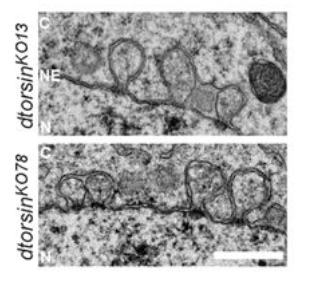
A fantastic collaboration with the lab of Ulrike Kutay (ETH) and led by the talented Daria Maslennikova! In this paper, we address a longstanding question on how the nuclear membrane fuses during nuclear pore complex biogenesis using the Drosophila germline and human cells as complementary model systems.
See also related papers from Karsten Weis (ETH)/Stefano Vanni (Uni. Fribourg) and Xiao-Wei Chen (Peking University).
September 25, 2025
Franziska gave a talk at the EDRC meeting in Alicante, Spain.
Her talk was titled ‘Nuclear mechanostability emerges from satellite DNA condensation into chromocenters’
August 28, 2025
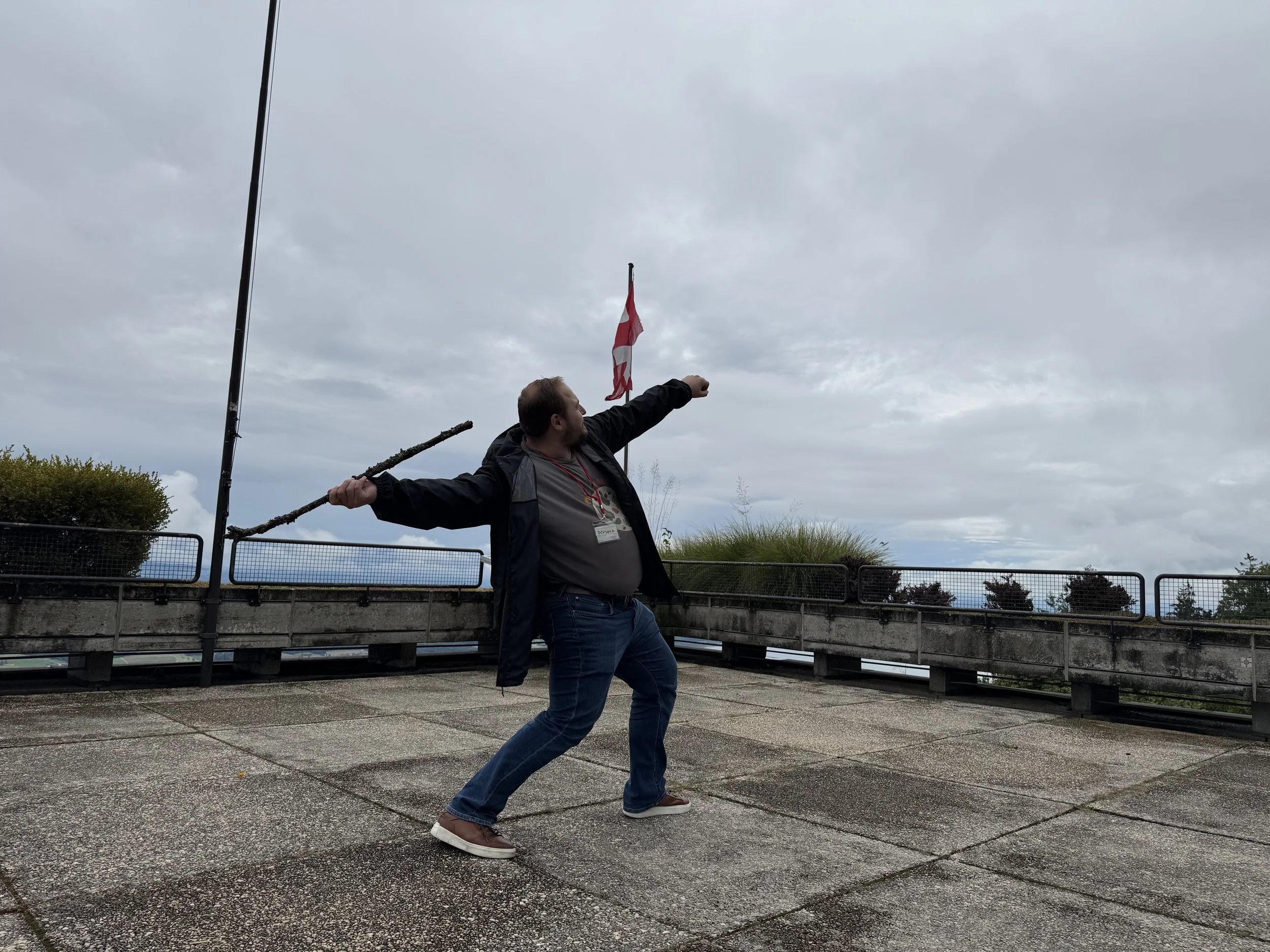
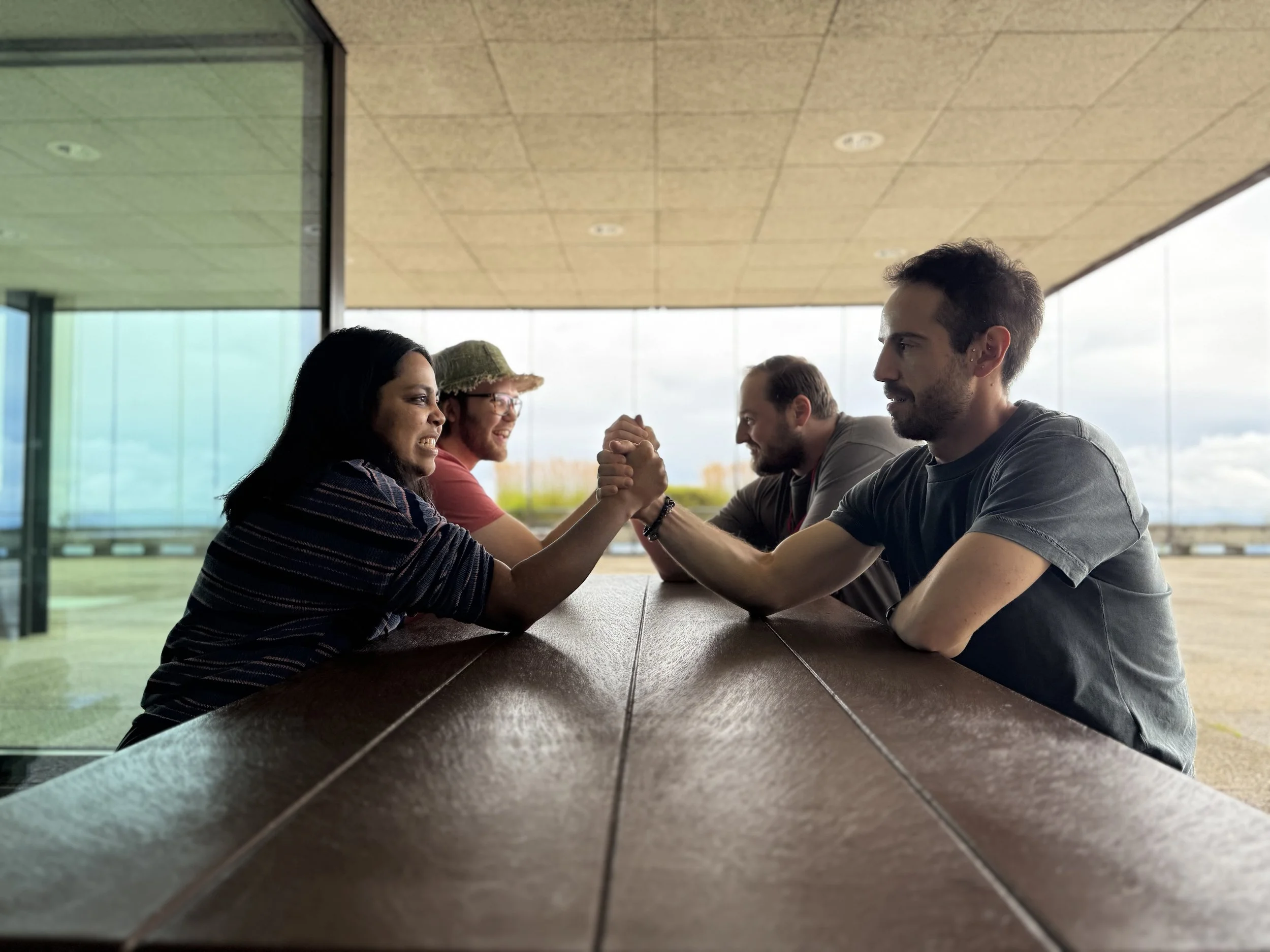
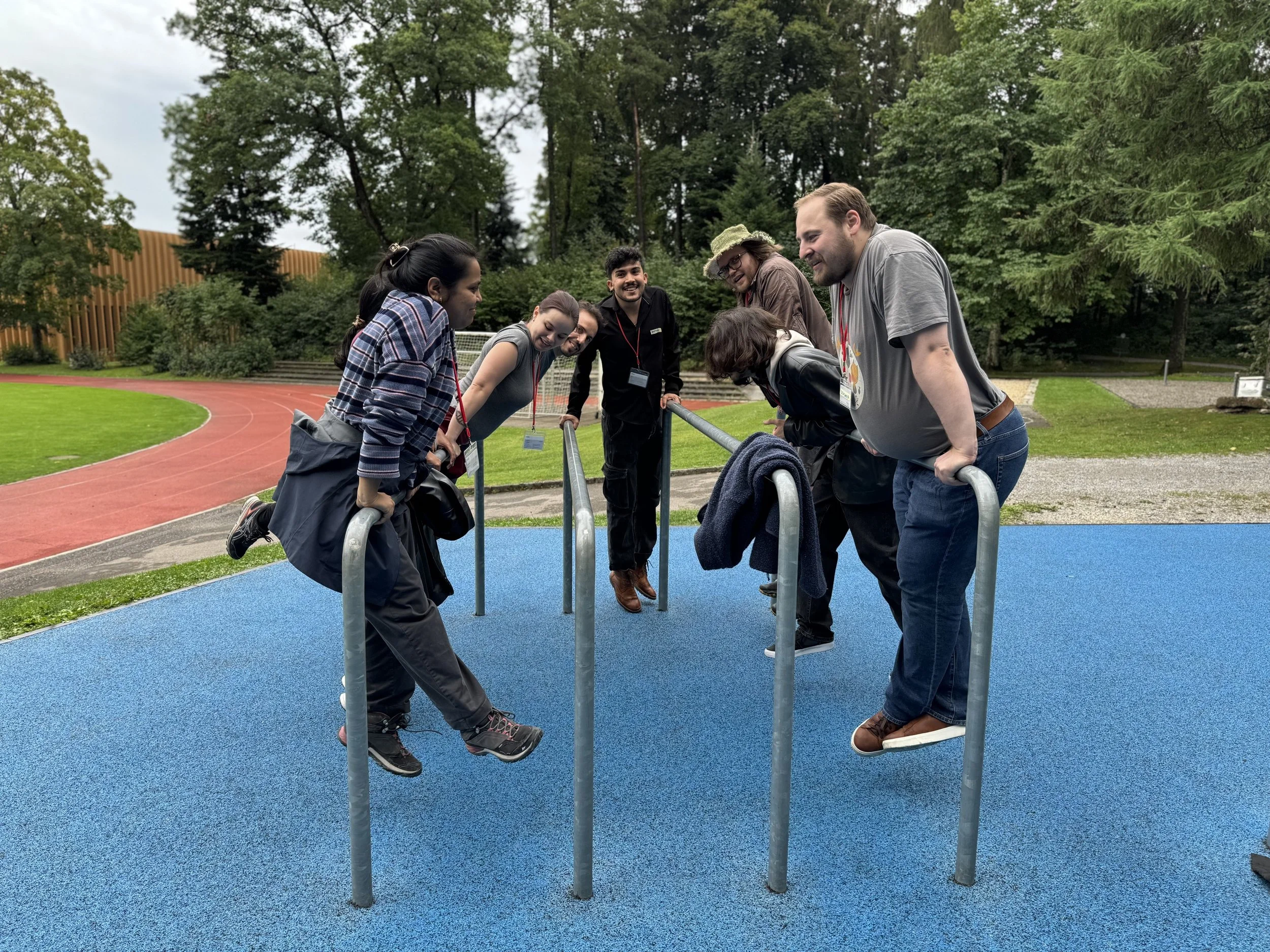
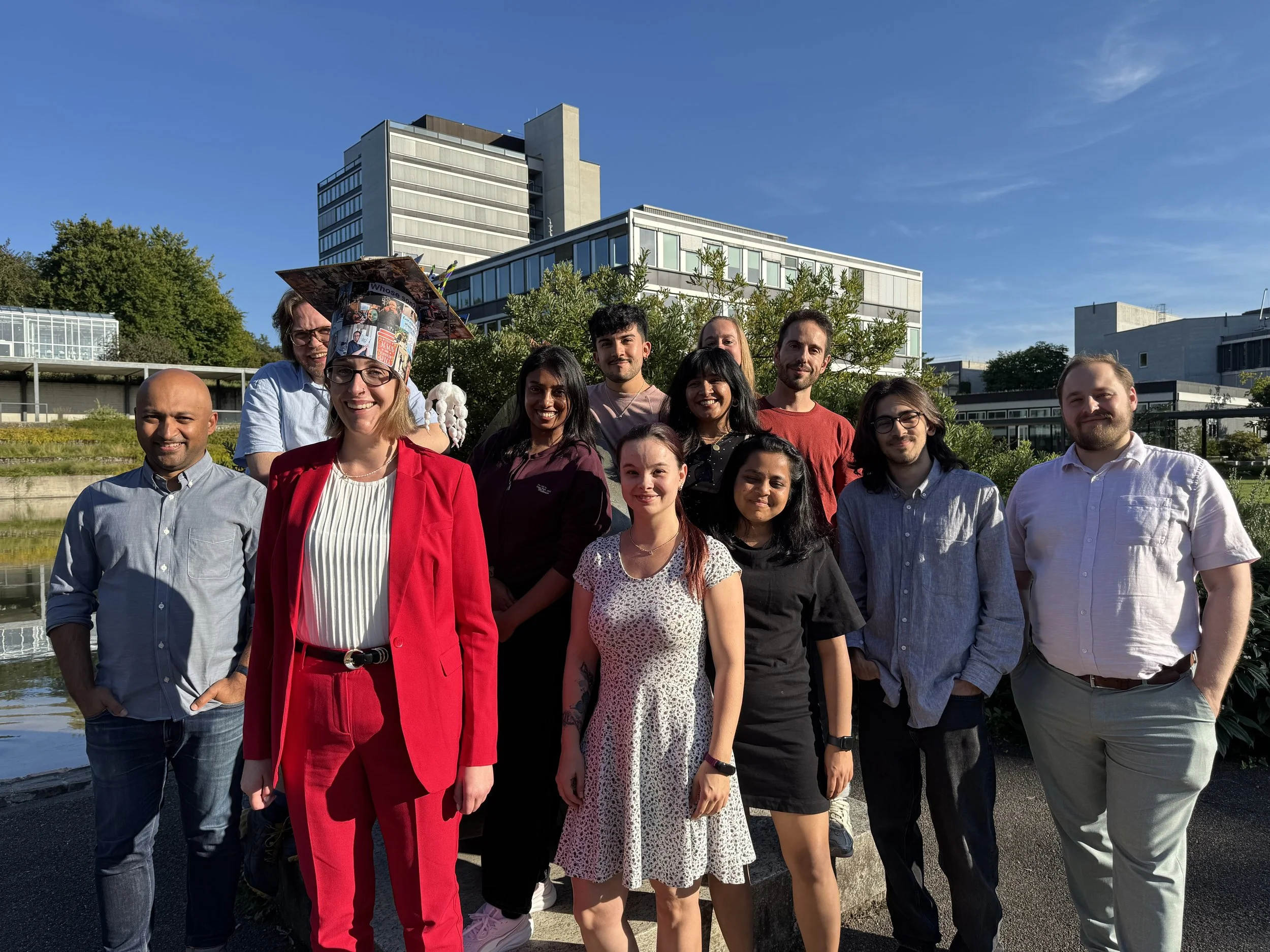
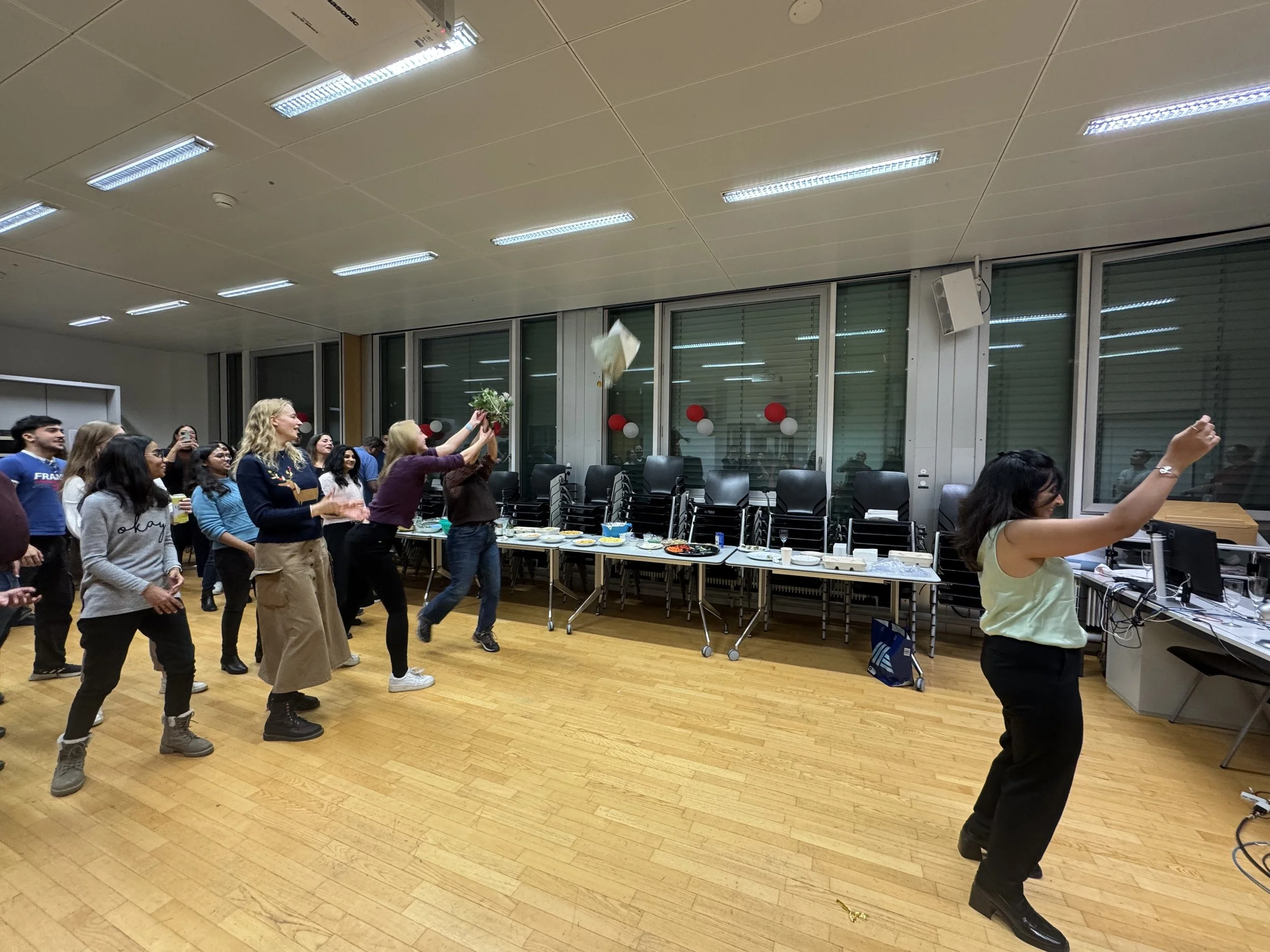
Lab retreat with the awesome Gambetta Lab from UNIL at the Swiss Olympic House in Magglingen. As always, there was exciting science to be discussed. But we were also inspired in other ways……
August 25, 2025
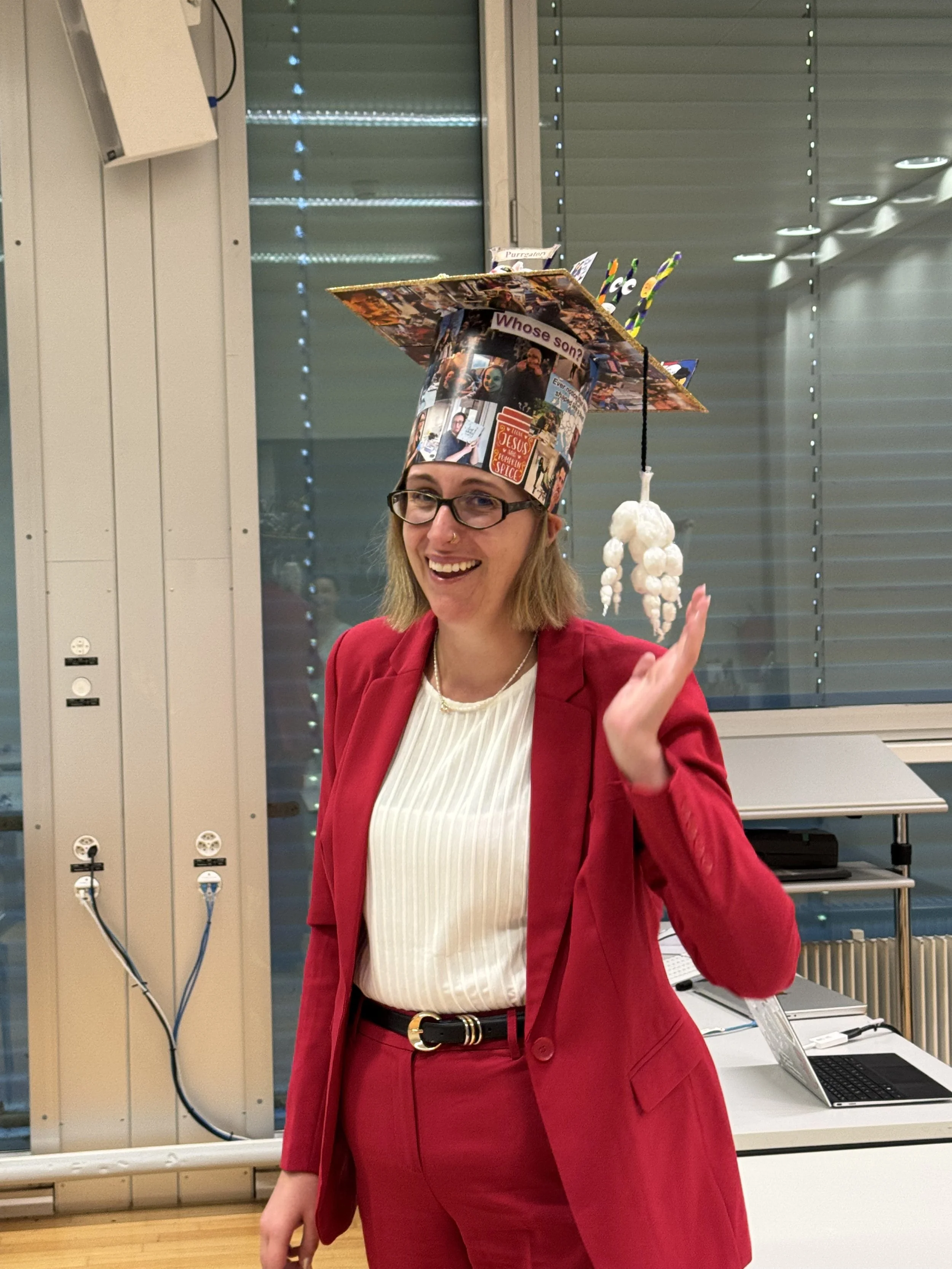
Lena successfully defended her Ph.D in front of her family and friends! Many thanks to her committee members - Ulli Kutay, Kirsten Bomblies and Joao Matos! Congrats Dr. Skrutl!
Lena’s put out the following papers as first/co-first author during her Ph.D with another to come soon…
Meiotic pairing through barcode-like satellite DNA repeats (Preprint)
Multi-tissue characterization of the constitutive heterochromatin proteome in Drosophila identifies a link between satellite DNA organization and transposon repression. PLoS Biology, 2025.
August 8, 2025
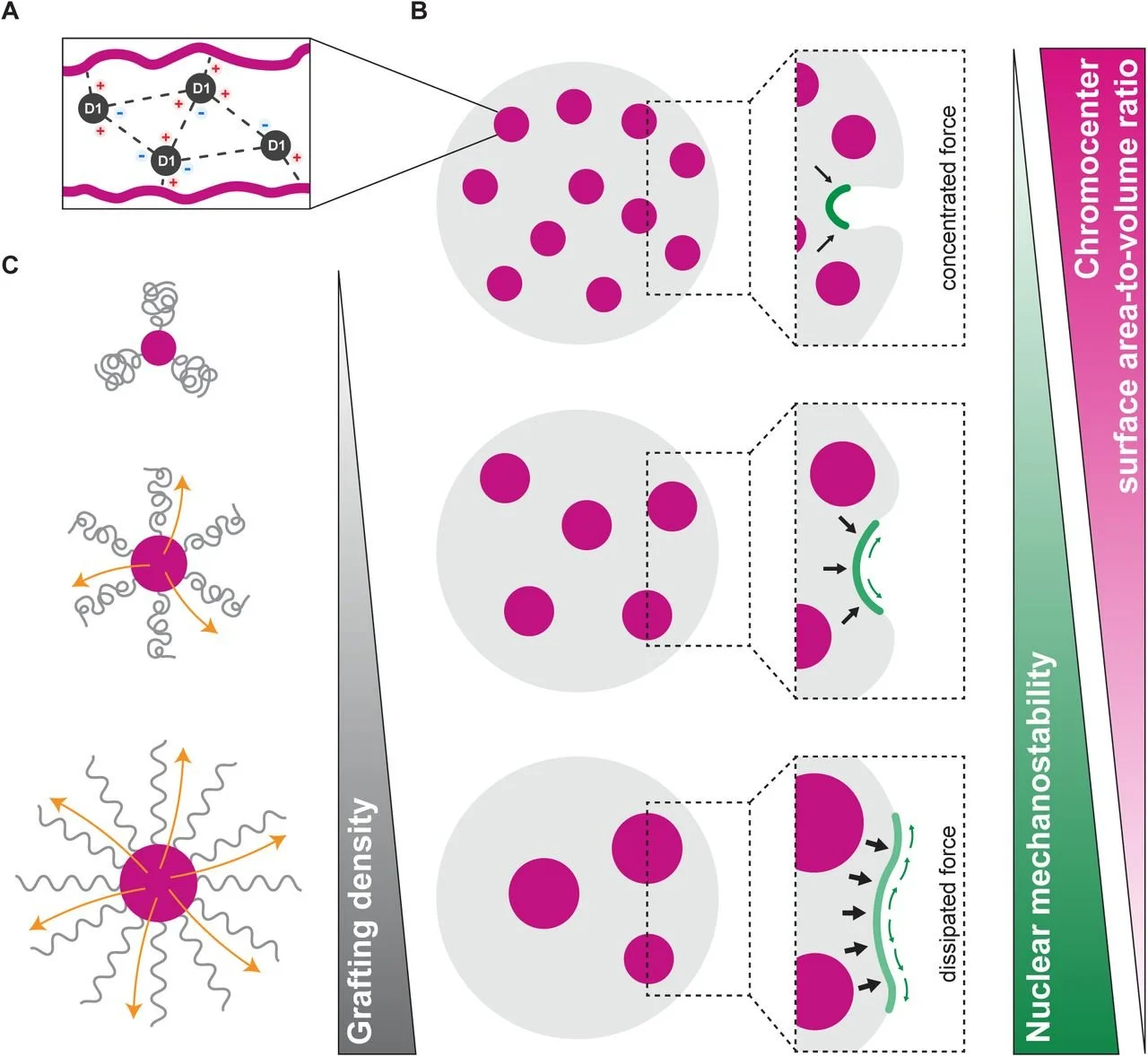
Preprint - Nuclear mechanostability emerges from satellite DNA condensation into chromocenters
The paper where Benjamin Frühbauer’s and Franziska Brändle’s thesis projects synergised beautifully. They joined forces to build a fundamental understanding of how chromocenters are formed and show that these condensates protect the genome from external mechanical forces. Big thanks to our many collaborators for all their help!
July 10, 2025
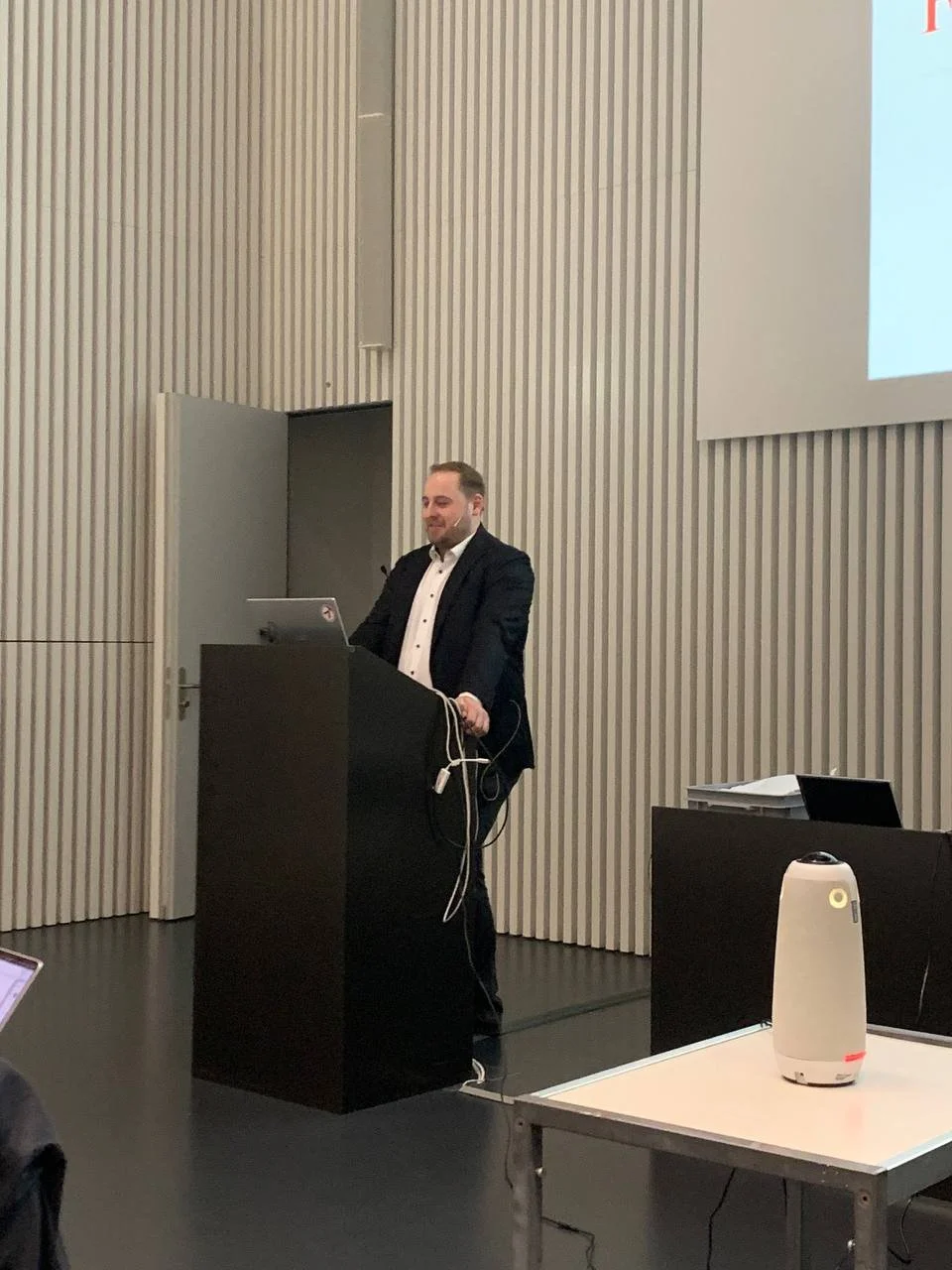
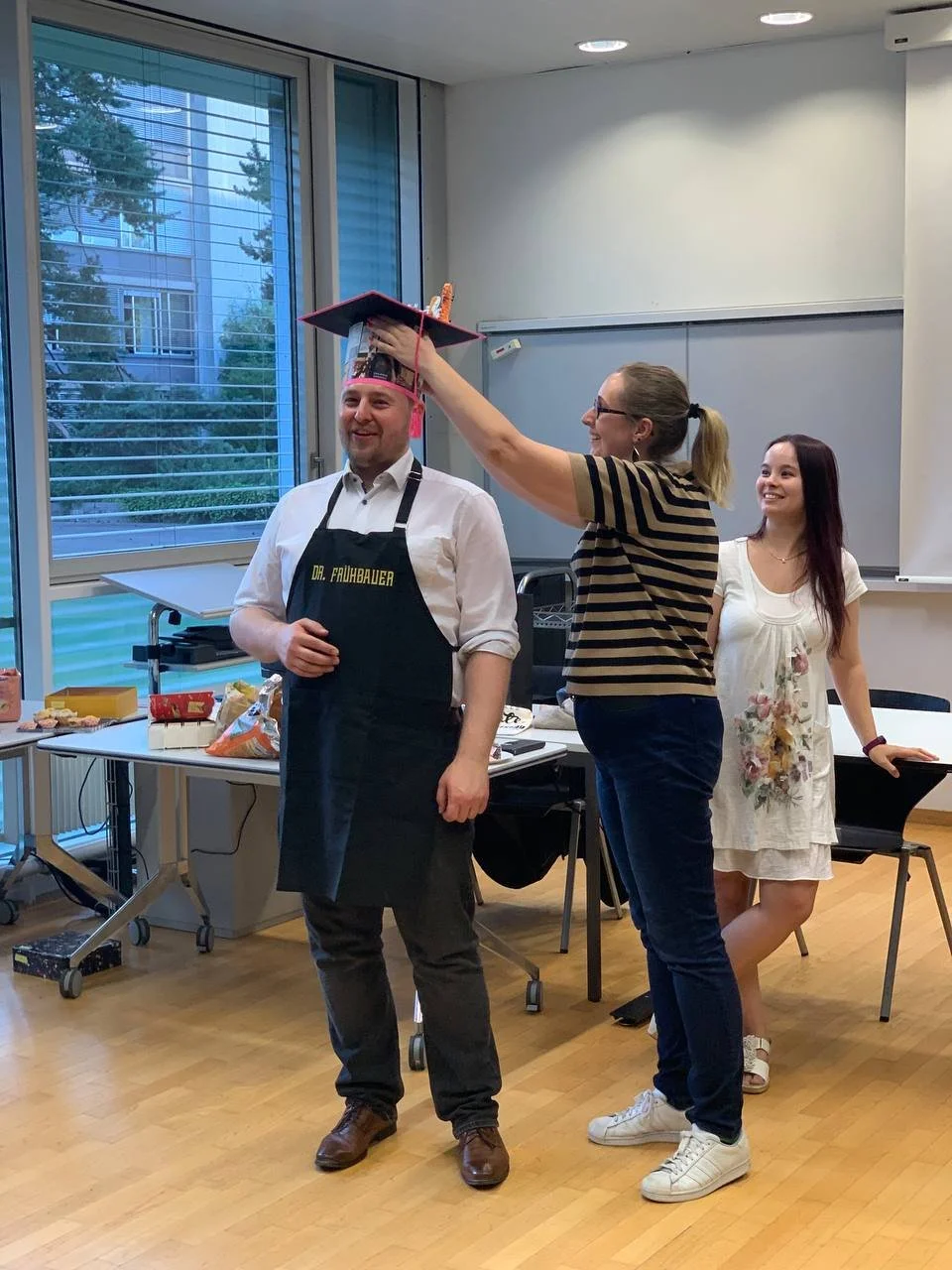
Benjamin successfully defended his Ph.D in front of his family and friends! Many thanks to the committee members - Karsten Weis, Jocelyne Vreede and Michael Rosen! Congrats Dr. Frühbauer!
Benjamin is co-first author on the following papers from his Ph.D,
Nuclear mechanostability emerges from satellite DNA condensation into chromocenters (Preprint)
Volume buffering in multi-component phase separation (Preprint)
June 12, 2025
Franziska successfully defended her Ph.D in front of her family and friends! Many thanks to her committee members - Yves Barral, Axel Imhof and Buzz Baum! Congrats Dr. Brändle!
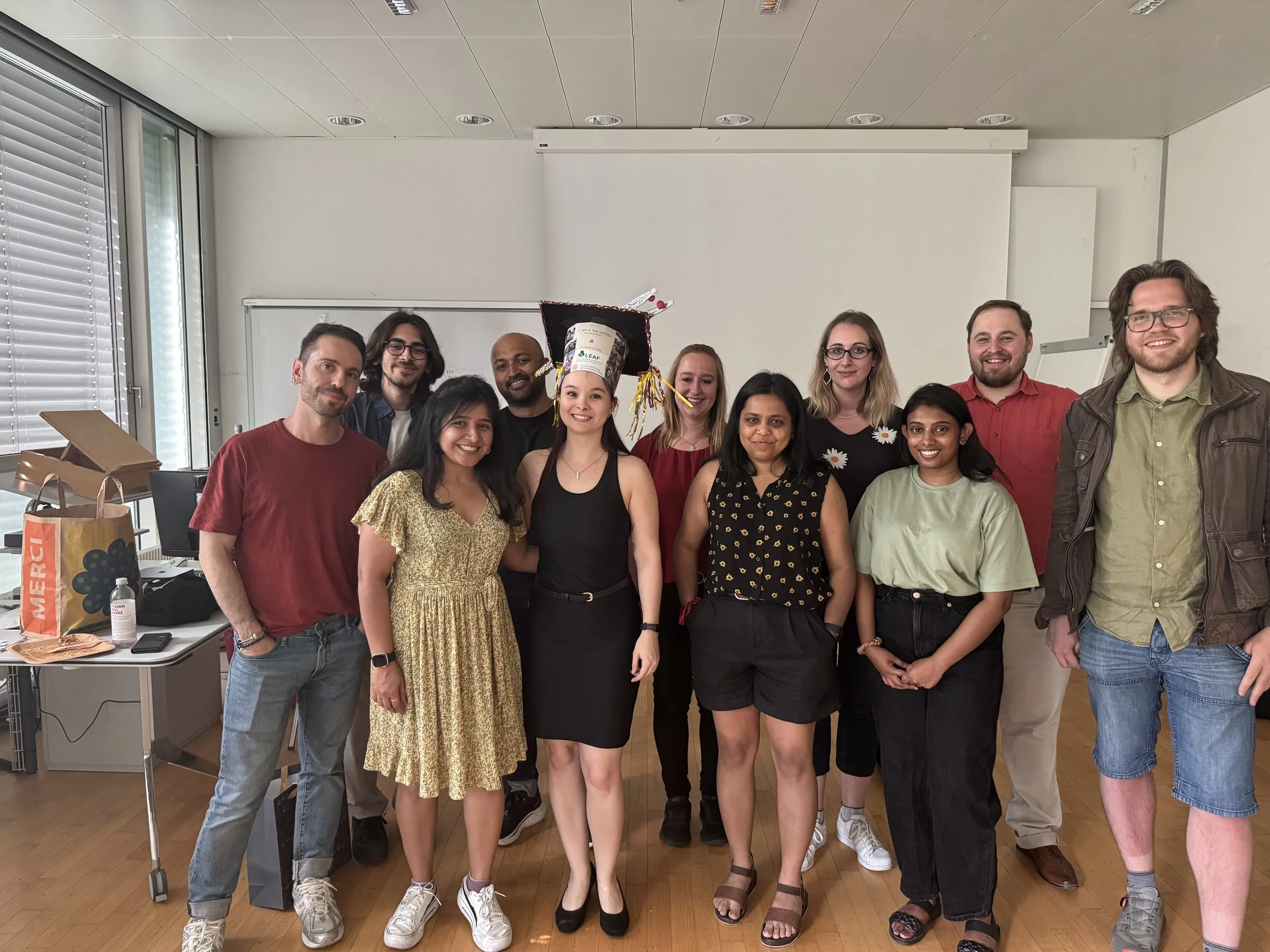
Franziska’s a co-first author on the following paper from her Ph.D with another one coming soon….
Nuclear mechanostability emerges from satellite DNA condensation into chromocenters (Preprint)
May 8, 2025
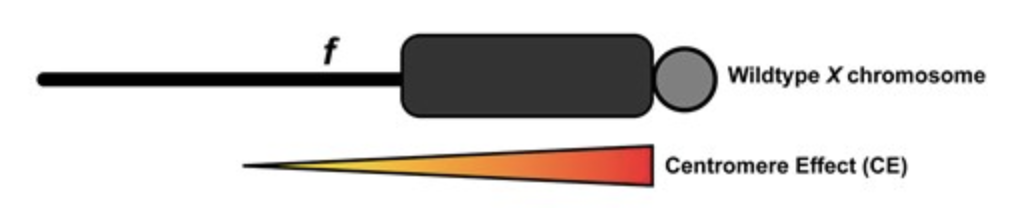
Collaboration with Scott Hawley on the centromere effect in D. mauritiana
Patterns of crossover distribution in Drosophila mauritiana necessitate a re-thinking of the centromere effect on crossing over. Genetics, 2025.
We were happy to contribute to this beautiful paper from Scott Hawley et al. on the still enigmatic centromere effect on meiotic crossing over!
January 22, 2025
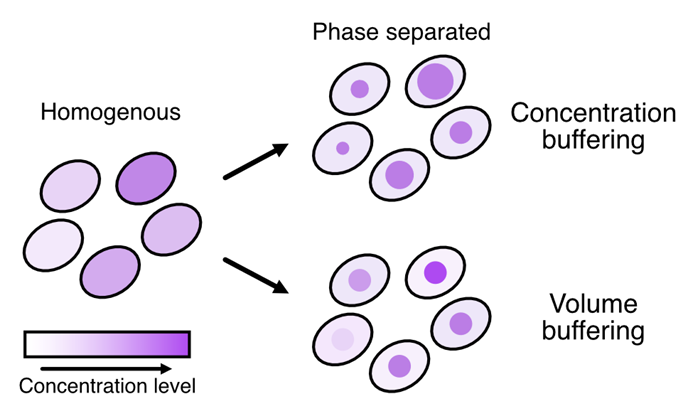
Preprint - Volume buffering in multi-component phase separation
New collaborative preprint with the groups of Thomas Michaels and Fred Allain at ETH, driven by Benjamin Frühbauer from our lab! In 1-component phase separated systems, changes in concentration leads to changes in condensate volume, such that the protein concentration is buffered in both phases. In multi-component systems exhibiting volume buffering, the total condensate volume remains constant even when the protein concentration changes. We propose that volume buffering is a powerful spatial control mechanism within cells.
January 15, 2025
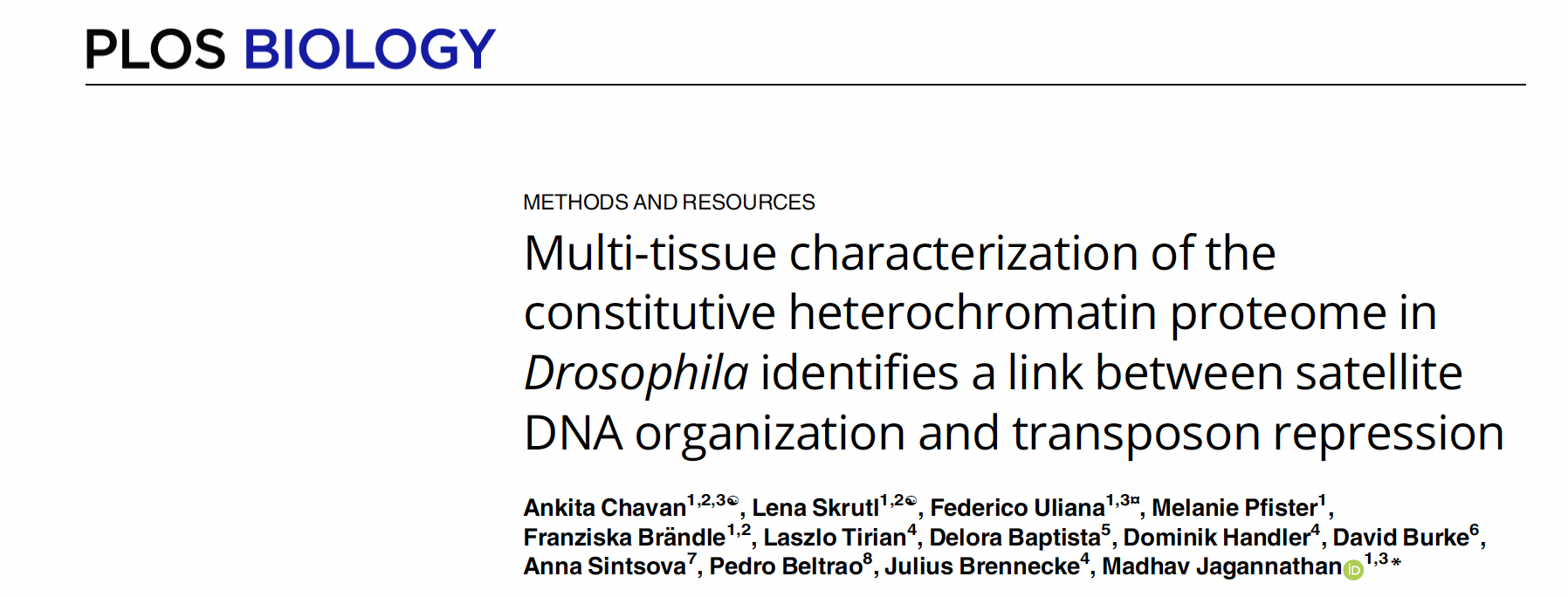
Ankita and Lena’s co-authored paper is now published in PLoS Biology. It was a great collaborative effort with contributions from Federico Uliana, Delora Baptista and David Burke from the Beltrao lab, and Laszlo Tirian and Dominik Handler from the Brennecke lab.
December 19, 2024
Ankita successfully defended her Ph.D in front of her family and friends! Many thanks to her committee members - Ulli Kutay, Jean-René Huynh and Amanda Larracuente!

June 27, 2024
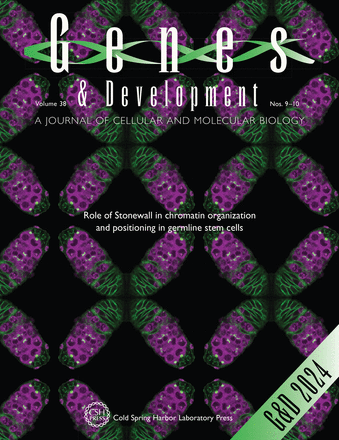
Ankita’s paper on Stonewall’s function in the maintenance of germline stem cell fate is now published in Genes & Development!!! This paper was a wonderful collaboration with the lab of Eric Joyce and Randi Isenhart (co-leading author) and Sonny Nguyen from his lab made major contributions to the paper. We had help along the way from Noor Kotb and Prash Rangan, who also have an excellent paper in the same issue on Stonewall-dependent genome organization in later germline stages.
Ankita’s image also made the cover.
June 20, 2024

Franziska won the best talk award at the 2024 Swiss Drosophila Meeting in Lausanne!
June 7, 2024
Lena gave a talk at the GRC meiosis meeting in Colby-Sawyer College, NH, USA.
Her talk was titled ‘Pericentromeric Satellite DNA Repeats Stabilize Centromere Pairing Between Homologous Chromosomes During Meiosis’
May 4, 2024
Recent poster presentations from the lab,
Franziska - Nuclear mechano-genomics, Sardinia, Italy
Benjamin - Cellular mechanisms driven by phase separation, Heidelberg, Germany
Ankita - Genome organization & nuclear function, Cold Spring Harbor Laboratory, USA
March 21, 2024
Lab retreat in beautiful Kandersteg along with the Kleele Lab


September 20, 2023
Upcoming presentations from the Jagannathan Lab in September/October 2023
Madhav will give a talk at the EMBO Workshop on Epigenetics and condensates in lineage decisions on the role of chromocenters in nuclear mechanobiology.
Franziska will give a talk at the EMBO|EMBL symposium on ‘The non-coding genome’ titled ‘Network-like condensation of satellite DNA into chromocenters safeguards nuclear mechanostability’.
Dhanashree will present a flash talk and a poster at the EMBO|EMBL symposium on ‘The non-coding genome’ titled ‘Stress-induced transcription of satellite DNA repeats in the Drosophila germline’.
Madhav will give a talk at the EDRC in Lyon on ‘Stonewall links chromatin organization at the nuclear periphery to female germline stem cell fate in Drosophila’ in the Transcription & Chromatin session.
We’re looking forward to sharing some exciting stories with you all!
August 1, 2023

Our first paper from the lab led by Ankita Chavan and Lena Skrutl. We performed a proteomic screen to identify chromocenter-associated proteins in Drosophila embryos, ovaries and testes. We found a really interesting link between satellite DNA organization and transposon repression. Shout out to Federico Uliana who helped us design and run the proteomic experiments. We’re also grateful to our collaborators, David Burke and Pedro Beltrao, for computational modelling of interacting proteins.
P.S. We made a web app that allows you to browse the proteomics data.

If you’re wondering what chromocenters are and what they do, we wrote a review on the topic.